English
 Deutsch
 Italiano
 Français
 Português
 ไทย
ไทย
 Tiếng Việt
 Polski
 Türkçe
 Nederlands
 Română
 한국어
한국어
 Svenska
 Español
Pro trading isn’t one perfect entry. It’s building a position and then harvesting it. That’s where scaling in and scaling out pay off.
With scaling in, we add in a gradual way as the setup proves itself. This keeps position size under control while price is still noisy. With scaling out, we take partial profits on the way up and keep a smaller piece for the bigger move. That lowers stress and makes risk management more stable. This matters most when volatility rises and uncertainty spikes. One clean candle can turn into a fast reversal. Scales acts as risk mitigation because we don’t force one all-or-nothing decision.
In this guide, we’ll cover rules, exits, and how to manage position size. Then we’ll drill it on Forex Tester Online, so it becomes a repeatable skill.
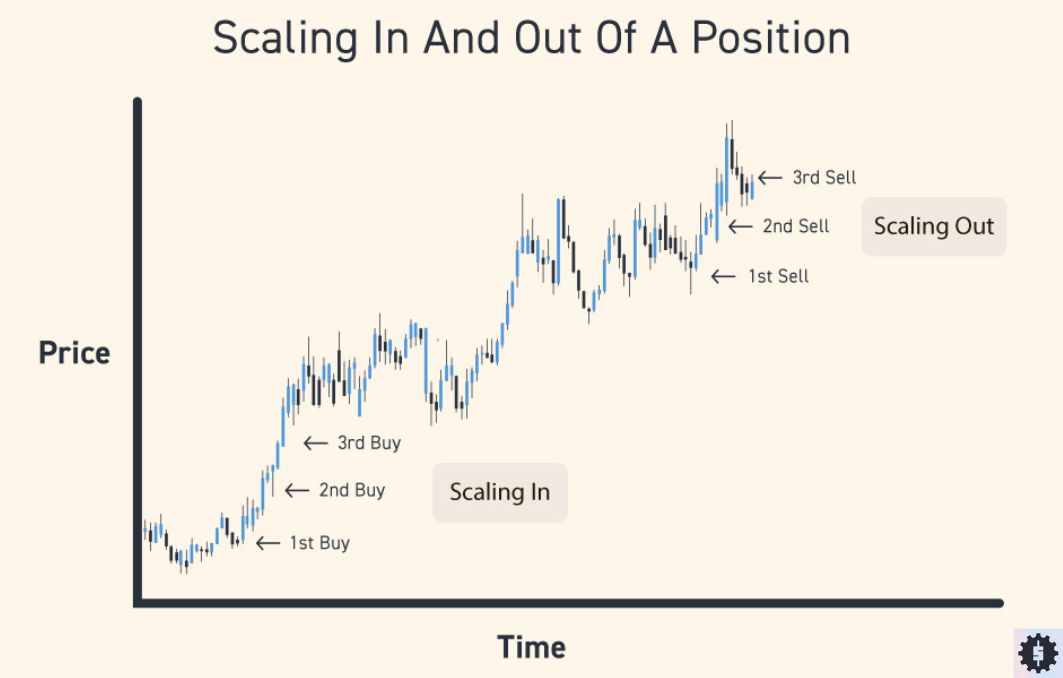
The Scaling Philosophy: Why “All-in, All-out” Is a Beginner’s Trap
The all-in, all-out style looks simple. One entry. One exit. Done. In real markets, it usually turns into stress.
Here’s why. When we go all-in at one price, we give that single tick way too much power. A small spike can hit the stop loss, then price moves in our original direction. That creates the classic “stopped out” regret. Next time, we hesitate. Or we widen the stop. Or we remove it. That’s how accounts die.
All-or-nothing exits are the same problem in reverse. Price gets close to the target, stalls, and pulls back. We either take profit too early out of fear, or we hold too long and watch a winner fade. The chart becomes a negotiation, not a plan.
Zoom fixes this by turning one decision into a set of smaller, controlled decisions.
- scaling in means we build the position in pieces as the thesis gets confirmed.
- scaling out means we take partial profits in stages, while still keeping exposure for continuation.
This is not about being unsure. It’s about respecting volatility and uncertainty. We can be right on direction and still get chopped if we demand perfect timing. Fractional entries and exits reduce that timing risk. They also make risk management more stable, because position size grows only when the trade earns it.
The catch is execution. Scaling needs clean rules and fast order handling. That’s why we use Forex Tester Online like a flight simulator. It lets you gain skills without risking real balance. We can practice partial entries, partial closes, and stop adjustments on real historical moves with realistic spreads, without financial risk. We can repeat the same scenario until the mechanics become automatic. Then we take it live with less emotion and fewer mistakes.
Scaling in: how to build a winning position
Scaling in means we add to a position as our thesis gets confirmed. We don’t try to nail the exact bottom or top with one entry. We start with a starter size, then add when price proves we’re right.
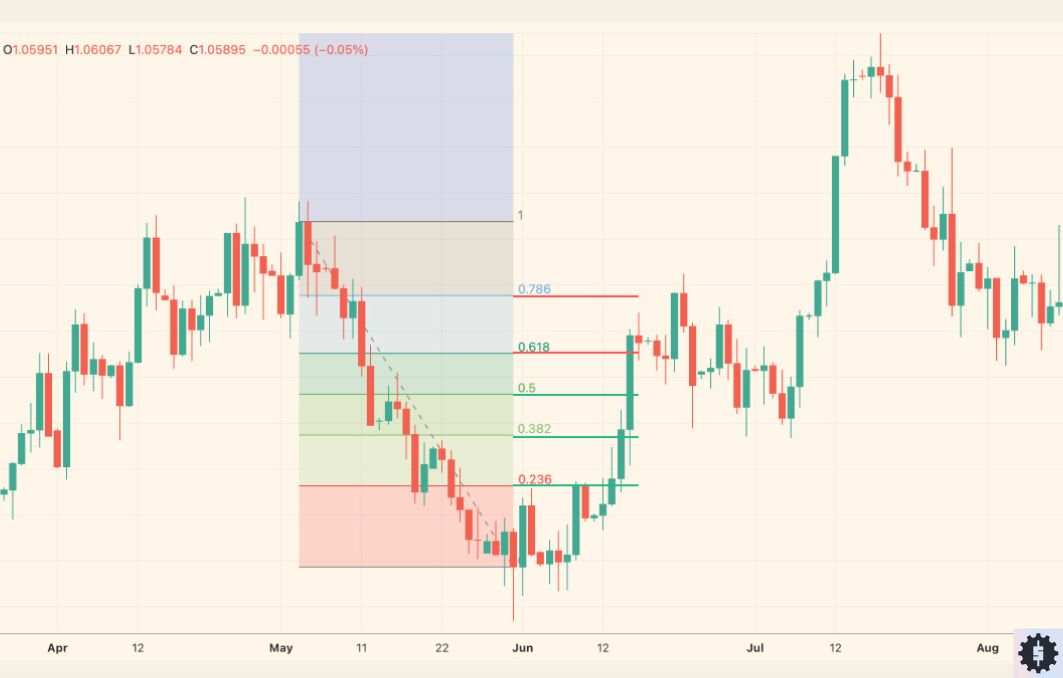
Two things change when we do this:
- our average entry price usually gets a bit worse, because later adds happen after price has moved
- our risk management can get cleaner, because we add only after the trade earns the right to grow
The anti-martingale rule: only add to winners
This is the core rule: we scale into a winning position, not a losing trade.
Adding to a loser is closer to doubling down or dollar cost averaging (DCA). It can easily improve the average entry price, but it also stacks risk at the worst time. If the market keeps moving against us, the stop loss becomes a cliff.
With anti-martingale scaling, we do the opposite:
- price breaks and holds a key level, we add
- price makes a new swing in our direction, we add
- we trail the stop loss or move it to reduce downside as the position grows
This is also where pyramiding fits. It’s just structured scaling into strength, usually during a trend. Done right, it can lift the equity curve because our biggest size is placed when probability is higher, not when the trade is still a guess.
The “scale-in” math (risk neutralization)
Let’s put numbers on it.
Context: $10,000 account. We cap risk at 1% per idea = $100. Our stop loss is 100 pips.
*We obviously mean not a real account. It makes much more sense to conduct such tests on the Forex Tester Online backtesting tool risk-free.
| Scenario | Entry method | Lot size | Avg. entry price | Initial risk ($) | Risk at 50% move |
|---|---|---|---|---|---|
| standard | all-in at 1.1000 | 0.10 | 1.1000 | 100 | 100 |
| scaled-in | 3 parts (trend following) | 0.03 / 0.03 / 0.04 | 1.1050* | 30 | 0 (break-even) |
What’s happening here:
- In the standard version, we buy 0.10 lot at 1.1000. With a 100-pip stop, the risk is $100 from the first second. If price moves 50 pips in our favor but we don’t adjust the stop, the risk is still $100.
- In the scaled-in version, we start with 0.03 lot at 1.1000. Same 100-pip stop. Now the initial risk is only $30. When price moves 50 pips in our favor, we move the stop loss on that starter piece to break-even. At that point, the trade can’t lose money on the initial piece, so risk at the 50% move is basically $0.
The “aha” moment:
Yes, the average entry price is worse (around 1.1050) because we add later, after confirmation. But the initial risk is cut by about 70% ($100 → $30). We’re paying a slightly worse average entry price to avoid paying full risk while the setup is still unproven.
That’s the core logic behind scaling in: reduce early exposure, then build size only after the market starts agreeing with us.
Strategy 1: the confirmation scale-in
This is the simplest scaling in model. We split the entry into two parts and let price “prove it.”
A common rule set:
- first entry: 50% size on the breakout close above resistance (or below support)
- second entry: 50% size only after a retest holds and price rejects the level in our direction
It works because the first piece gets us in early, and the second piece avoids the classic fake breakout. Our average entry price is usually worse than all-in, but our losing trades tend to be smaller and cleaner
Risk control rule:
- both entries share the same invalidation point
- if the retest fails, we don’t add. We exit or accept the stop.
Strategy 2: the pyramid
Pyramiding is scaling into strength. We add units as the trend builds structure.
A practical way to do it:
- starter position on the first trend break / pullback entry
- add #2 after price makes a higher high and then prints a higher low (uptrend)
- add #3 after the next pullback holds above the prior swing and momentum resumes
The key rule: we add only to a winning position, not to a losing trade. If the trend is not progressing, we stop adding.
Stops matter even more here:
- we trail a stop loss under the newest swing low (or above swing high in shorts)
- each add should have a clear technical reason, not “it’s going up, so add”
Most traders blow scaling because they accidentally stack risk. They add size, but the stop stays wide, so total risk jumps from 1% to 3% without them noticing.
In FTO, we can prevent that. The risk management tool calculates lot sizes for each add based on:
- account size
- stop distance in pips
- chosen risk percent
So when we add a second or third unit, the platform can size it so the combined position still risks the same $ amount. We stay inside the plan even while pyramiding. That’s the difference between “controlled scaling” and random leverage.
Scaling out: locking profits while letting winners run
Scaling out means we close parts of a trade in stages. We bank money early, then keep a smaller piece for continuation. This is the cleanest way to take partial profits without killing the whole trade too soon.
The benefit is simple: we reduce pressure. When some profit is already locked, we can follow the plan instead of staring at every tick.
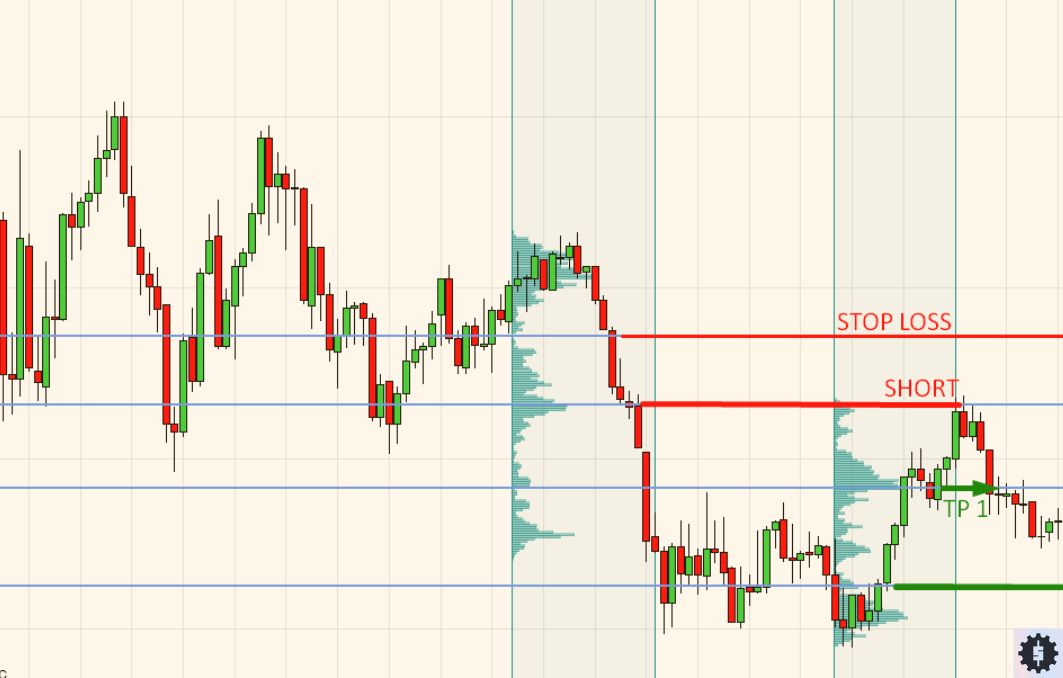
The “free trade” concept
A common move is this:
- scale out 50% after price reaches the first target
- move the stop loss on the rest to break-even (or just past it)
Now the worst-case outcome is flat on the remaining size. We’ve taken partial profits and removed most of the downside. That’s what people mean by a “free trade.” It’s not magic. It’s risk management.
The “scale-out” math (profit harvesting)
Let’s use clear numbers.
Context: 1.0 lot position. Entry at 1.1000. Initial stop loss at 1.0900. That’s $1,000 risk.
*Once again, if you don’t want to risk real $1000, you can use FTO for practice.
| exit strategy | exit points | avg. exit price | total profit | psychological state |
|---|---|---|---|---|
| all-at-once | 100% at 1.1100 | 1.1100 | $1,000 | high stress (all or nothing) |
| 3-tier scale | 30% @ 1.1050, 40% @ 1.1150, 30% @ 1.1300 | 1.1165 | $1,650 | low stress (banked early) |
Why the second line can beat the first:
- we take partial profits before the market has a chance to reverse
- we still keep exposure for a larger move
- the average exit price improves because the runner catches the tail
It won’t win every time. Sometimes price hits target 1 and then dumps. That’s fine. The goal is a smoother equity curve, not one perfect trade.
The 3-tier exit strategy
This is a simple scaling out model we can test on any trend-based setup.
1) Target 1: cover initial risk
Take 1/3 off at the first logical take profit (TP) level. The job of this target is not “max profit.” It’s to reduce risk fast. After this fill, we often tighten risk by moving the stop loss closer.
2) Target 2: take profit at structure
Take another 1/3 near a major resistance level (or support in shorts). This is where many moves stall. We don’t need to predict the top. We just take what the market offers at a known barrier.
3) The runner: let it run with a trailing stop
Leave the last 1/3 to catch the long move. Protect it with a trailing stop under swing lows (or above swing highs). If the trend extends, this piece makes the trade. If it reverses, we still finish green because we banked partial profits earlier.
This is the scaling out mindset: harvest in stages, then let the market pay extra when it wants to.
Putting it together: a live-action case study in Forex Tester Online
Scaling is execution-heavy. We need a backtesting trading software that behaves like the market, not like a slideshow.
✅ Tick-level replay, so we can place adds and partial profits while the candle is forming
✅ Variable spreads and slippage, so stop loss and take profit (tp) levels behave like real fills
✅ Up to 10 synced charts, so higher timeframe context stays aligned while we execute on the lower one
✅ Fast jump tools, so we can move straight to session opens, level touches, and news moments
✅ Realistic risk settings, so pyramiding doesn’t quietly blow up position size
✅ Built-in journaling, tags, and screenshots, so we can review what worked and what didn’t
✅ Personalized analytics, so we can compare equity curve and profit factor across exit styles
This is the difference between “we think scaling helps” and “we can prove it in backtesting / simulation.”
https://www.youtube.com/watch?v=FIJ1Vi1EYvA
How to run the case study in Forex Tester Online
1) Get access.
Go to the FTO official website, create an account, pick a plan, and sign in.
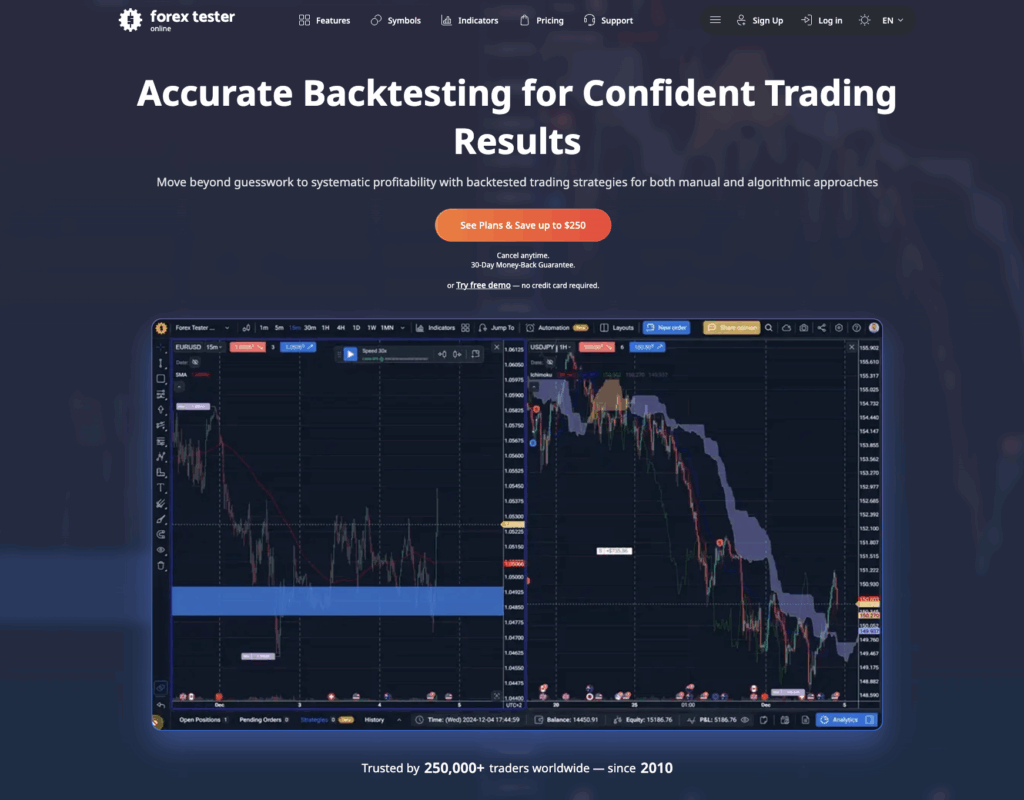
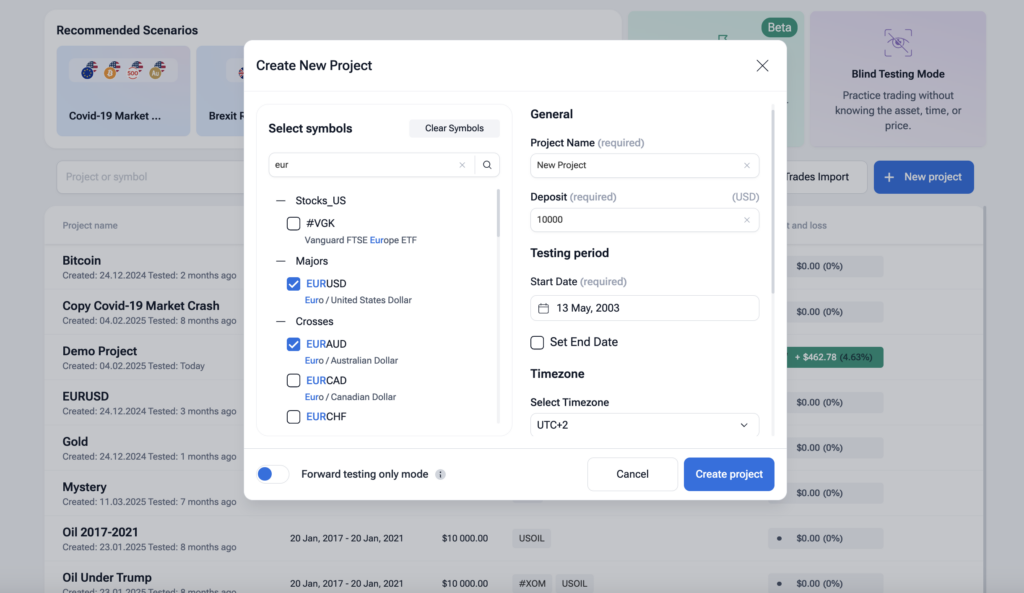
2) Create a project.
Pick a 2024 nfp release window on a liquid pair like EURUSD.
3) Set up your chart stack
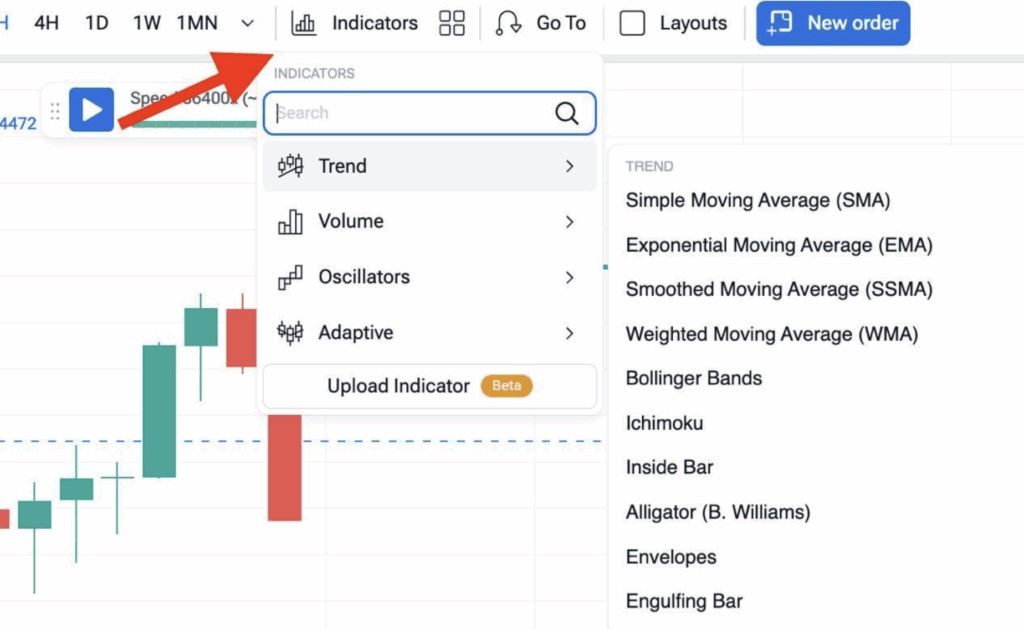
Open h4 + h1 for context and m15 (or m5) for execution. Mark the pre-news range. Add basic support/resistance levels and indicators if needed. Keep it clean.
4) Execute a confirmation scale-in
We place 50% on the breakout. Then we wait. If price retests the broken level and holds, we add the remaining 50%.
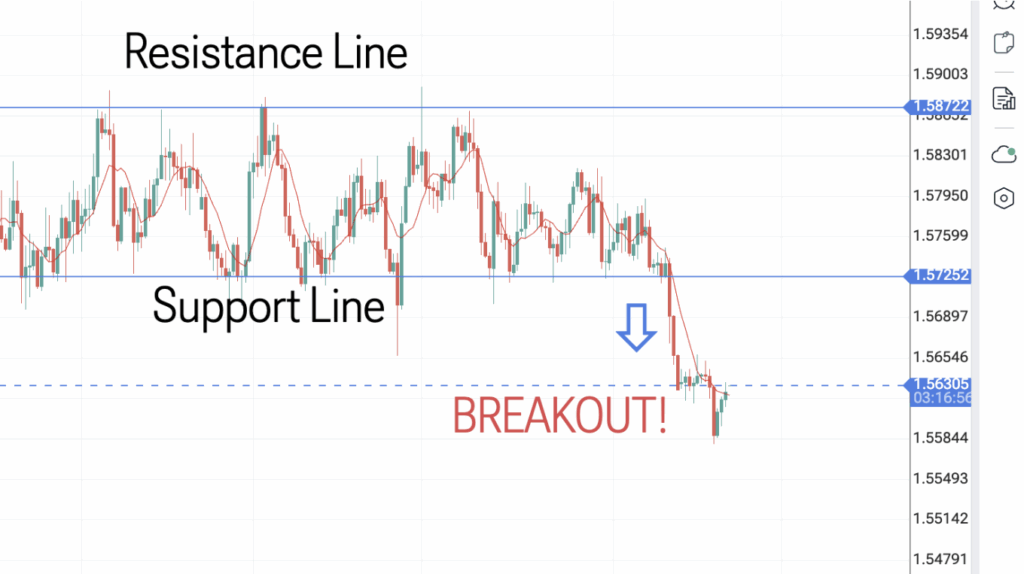
We track the average entry price after the second fill. That number matters more than the first entry.
5) Control risk while adding
Before we add, we check: are we building a winning position vs a losing trade? If the idea is wrong, we stop adding. No dollar cost averaging (dca) into pain.
As price moves our way, we tighten the stop loss. If structure allows, we push the stop toward break-even to neutralize risk.
6) Scale out with a 3-tier plan
We set three take profit (tp) levels.
- take partial profits at target 1 to cover risk
- take more at a clear resistance level
- leave a runner with a trailing stop behind swing lows
This gives us cashflow early, but keeps upside.
7) Analyze the result like a system
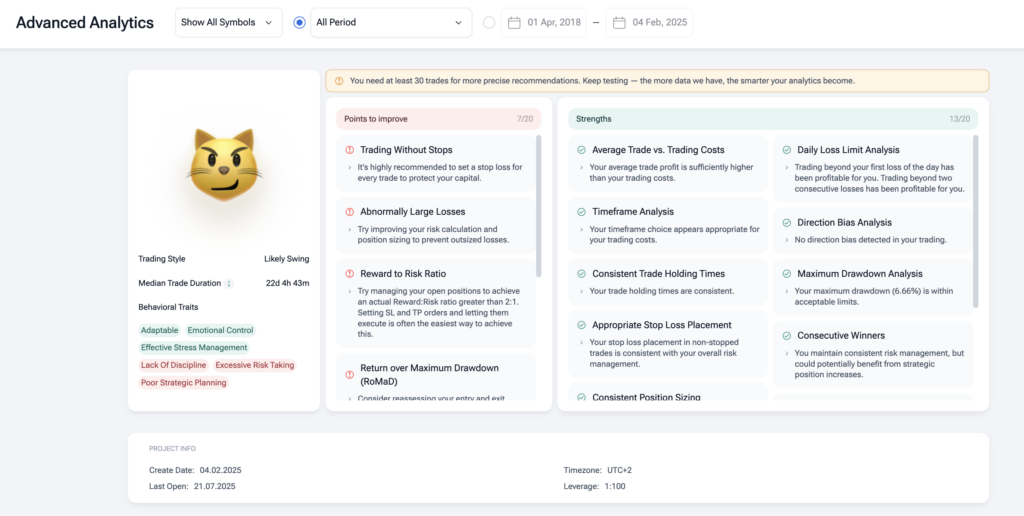
Open analytics and compare two runs:
- fixed exit (one tp, one stop)
- scaled exits (partial profits + runner)
Look at the profit factor, drawdown, and the equity curve. Also check how often the runner adds meaningful extra return versus how often it gets stopped.
The goal of this drill is not a perfect trade. It’s clean execution under volatility, with risk management that stays stable while we scale in and scale out.
Common mistakes & tips to avoid them
Over-leveraging while scaling in. The classic error: we add size, but we forget the stop distance and total risk jumps from 1% to 3% fast. To fix it, re-check total risk against the stop loss before every add. If the math doesn’t fit, we don’t add.
Scaling in too early. Adding on the first spike is not confirmation. It’s hope. Fix: add only after a clear trigger (break + hold, retest hold, new swing). If the market is not progressing, we stay with the starter size.
Taking partial profits too soon. If we scale out the moment price turns green, we cap the edge. To avoid it, tie partial profits to take profit (tp) levels or structure. Not fear. Use a trailing stop only when the trend has proven it can extend.
Practice drill. Use backtesting platforms blind testing mode. Hide the instrument and dates. Then practice scaling rules without knowing how the chart ends. This forces real execution, not hindsight.
Why backtesting scaling is non-negotiable
Scaling changes the average entry price, the average exit, and the average RR. So we can’t judge it by one good week.
The clean test is simple in Forex Tester Online:
- run 50 trades with a fixed exit (one tp, one stop loss)
- run 50 trades with scaling out (partial profits + runner)
Then compare the equity curve, drawdown, and profit factor. Don’t wonder if scaling works. Prove it on long historical data, across both quiet weeks and high volatility.
Your scaling mastery checklist
📝 Risk check: after we scale in, is total risk still within 1–2% based on the current stop loss?
📝 Break-even point: do we know the new average entry price, and where break-even sits after fees and spread?
📝 Exit plan: do we have a clear technical reason to scale out (level, trend structure, tp levels), not just fear?
📝 Platform readiness: can we execute a partial close fast (under 3 seconds) without hunting through menus?
Conclusion: making scaling your edge
Scaling isn’t a sign we’re unsure. It’s math and discipline. We accept that one entry is rarely perfect, so we build a position in pieces and take partial profits in pieces. Pros trade positions. Amateurs trade lot sizes.
Reading this guide is step one. Muscle memory is step two. That’s where Forex Tester Online helps. We can practice scaling during simulated stress, like a flash crash or a news spike, and see if we still follow the rules. Then we use the journal to compare the scaled equity curve vs the single-entry curve over 100 trades.
Don’t risk live capital on a new scaling plan today. Pick a historical trend, and practice your first 50 scale-in trades now. If it works on historical data, then you can finally go live and risk real balance.
FAQ
Does scaling in increase my risk?
Only if we add without re-sizing. Scaling in is fine when total risk stays tied to the stop loss. We track the new average entry price and make sure the combined position size still fits the 1-2% rule. In Forex Tester Online, backtesting / simulation makes this obvious fast.
Is scaling out always more profitable?
No. Scaling out often lowers the max winner because we take partial profits early. But it can lift the equity curve by raising consistency and reducing stress. The right test is simple: compare a fixed exit vs partial profits plus a trailing stop, over the same 50-100 trades.
Can I practice scaling on a weekend?
Yes. That’s the main advantage of a simulator. Thanks to backtesting, you can replay high-volatility weeks and run dozens of trades in hours. We can drill pyramiding rules, tp levels, and partial closes, then review results in the journal and see what changes the equity curve.

Forex Tester Online
Master Scale In & Scale Out using our backtesting platform